
To make a secure online donation, please click the button below

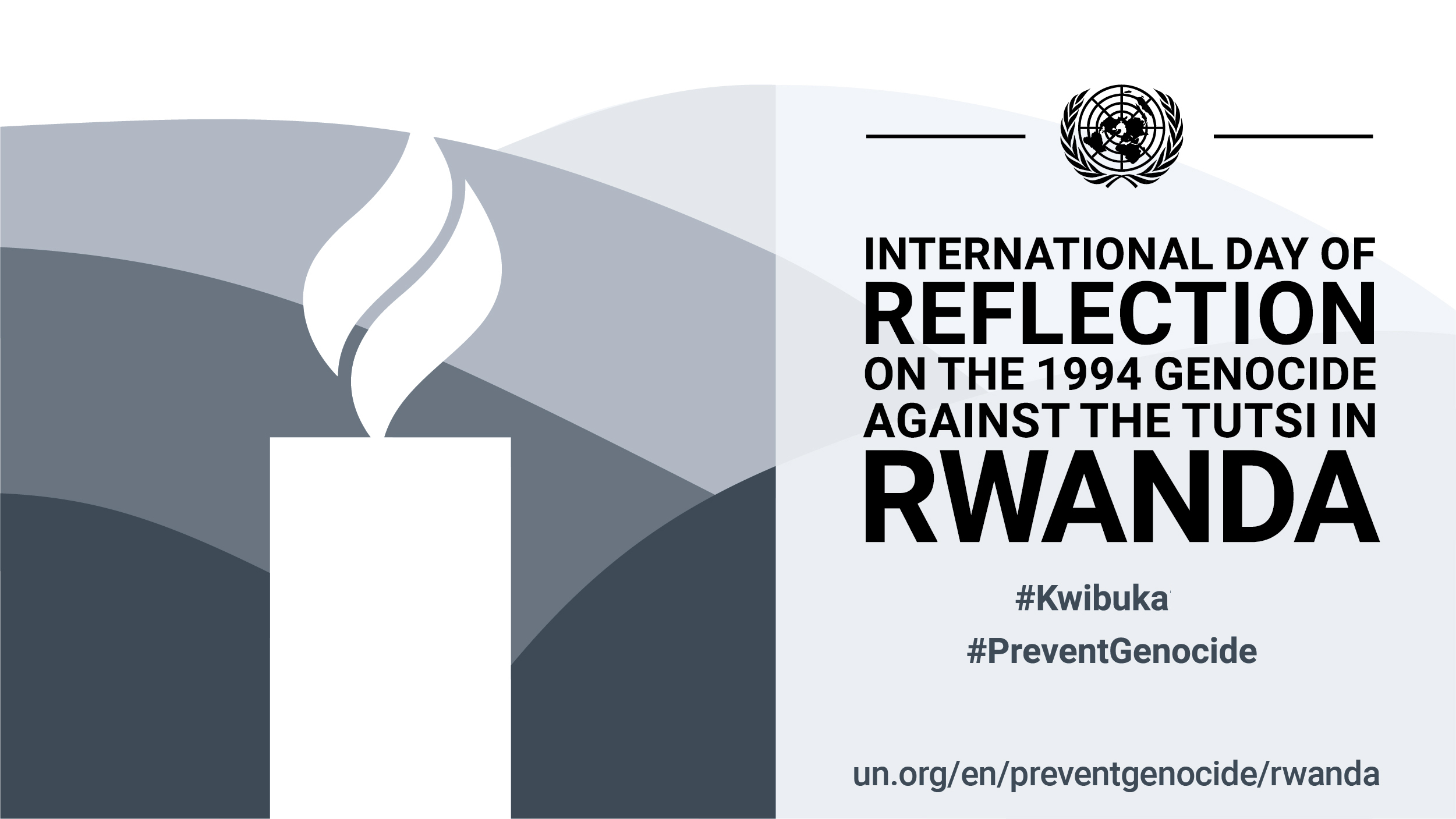
The Auschwitz Institute for the Prevention of Genocide and Mass Atrocities (AIPG) marks April 7, 2026, as the annual International Day of Reflection on the 1994 Genocide against the Tutsi in Rwanda. This commemorative day is dedicated to honoring the memory of the victims of this tragic chapter in human history, recognizing the immense loss suffered not only by the Tutsi community but also by those Hutu and others who opposed the genocide and fell victim to its violence.
The genocide began on April 7, 1994, following the assassination of Juvénal Habyarimana. What followed was a coordinated and systematic campaign of extermination led by extremist elements within the government, military, and affiliated militias. In approximately 100 days, more than 800,000 people were killed, the vast majority of them Tutsi, alongside moderate Hutu and others who were perceived as political opponents. The speed, scale, and organization of the killings—often carried out by neighbors and local officials—underscore the devastating consequences of state-sponsored incitement, propaganda, and the deliberate dehumanization of targeted groups.
The international community’s failure to respond decisively, despite clear warning signs and ongoing violence, remains one of the most profound shortcomings in modern atrocity prevention. The genocide came to an end in July 1994 when the Rwandan Patriotic Front took control of the country. In the aftermath, Rwanda faced the immense task of rebuilding a devastated society, pursuing justice, and fostering reconciliation among deeply traumatized communities.
In the years since the genocide, Rwanda has made significant efforts to pursue accountability and rebuild. At the international level, the International Criminal Tribunal for Rwanda played an important role in bringing some of those responsible to justice. Within the country, community-based Gacaca courts were established to handle the many of the cases, encourage truth-telling, and support reconciliation. While these processes have been complex and, at times, controversial, they have helped lay the groundwork for transitional justice, restoring trust and rebuilding social cohesion.
The Rwandan Genocide remains a powerful reminder of the consequences of hate, exclusion, and indifference. It underscores the critical importance of identifying early warning signs and risk factors for atrocities, promoting responsible and inclusive governance, and sustaining international engagement to prevent future violence. Today, remembrance goes hand in hand with education and prevention, helping ensure that the lessons of 1994 continue to inform policy and practice worldwide.
Established by the United Nations General Assembly in 2004 (A/RES/58/234) and later updated to reflect evolving understanding and terminology, this International Day underscores the responsibility of states and institutions to protect populations at risk.
As the international community commemorates the 32nd anniversary in 2026, UN Secretary-General António Guterres continues to call for vigilance against rising hate speech, discrimination, and identity-based violence around the world. AIPG echoes this call, emphasizing that prevention requires not only remembrance, but also sustained investment in education, inclusive institutions, and policies that address the root causes of violence.
Thirty-two years ago, Rwanda endured one of the darkest chapters in human history. In just 100 days, more than a million people were murdered – primarily Tutsi, but also Hutu and others who opposed the genocide. Entire families were brutally erased.
On the International Day of Reflection on the 1994 Genocide Against the Tutsi in Rwanda, we mourn the victims and honour their stolen dignity. We pay tribute to the survivors, whose resilience shows the strength of the human spirit. And we recall, with humility and shame, the international community’s failure to heed warnings and take immediate lifesaving action.
It’s not enough to remember the dead. We must learn from past failures and protect the living – by rejecting hatred, inflammatory rhetoric and incitement to violence; by investing in the social fabric to deepen community resilience; and by strengthening institutions that help prevent mass atrocities. I call on all countries to become parties to the Genocide Convention without delay – and to implement it fully.
The United Nations stands with the people of Rwanda. And we stand with all those, everywhere, who refuse to surrender our future to fear, division, or silence.
Let this day reaffirm our commitment to remember, to listen, and to act. With history as our guide, and the prevention of genocide as our goal.