
To make a secure online donation, please click the button below

Each year, the Auschwitz Institute for the Prevention of Genocide and Mass Atrocities (AIPG) commemorates October 5 as World Teachers' Day, recognizing the vital role educators play in shaping more inclusive, peaceful, and democratic societies.
This year's World Teachers' Day marks the 60th anniversary of the 1966 ILO/UNESCO Recommendation concerning the Status of Teachers and is celebrated under the theme "Standing with teachers: 60 years of protecting the profession, advancing its status and shaping our futures." The anniversary is an opportunity not only to recognize the contributions of teachers, but also to reflect on the support, professional recognition, and conditions they need to fulfill their role.
Standing with teachers means recognizing them as key actors in the prevention of genocide and mass atrocities. In classrooms and schools, educators have a unique opportunity to help young people understand human rights, engage constructively with others, participate in democratic life, and develop the knowledge and skills needed to respond to discrimination, exclusion, and violence. Investing in educators is therefore an important part of building societies in which differences can be addressed through dialogue and where human dignity is respected.
Guided by this conviction, AIPG's Warren Educational Policies Program (WEPP) works with educators in different contexts to strengthen their ability to foster democratic citizenship, human rights, and respectful relationships in schools. Our work in Bosnia and Herzegovina shows that such support benefits not only students, but teachers themselves.
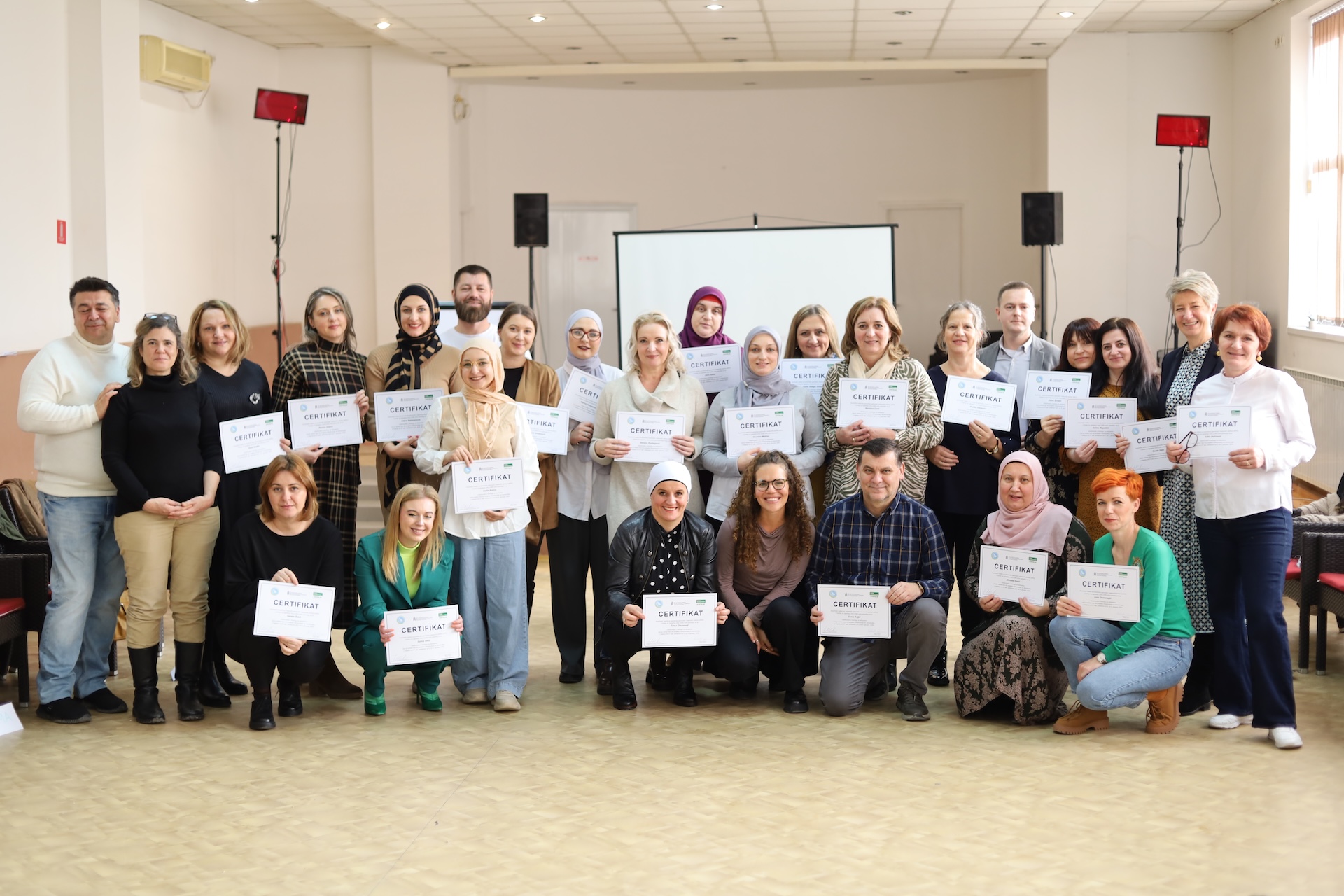
Between 2024 and 2025, AIPG and the Center for Peacebuilding (CIM) implemented the Education for Democracy project in schools in Una-Sana Canton, providing educators with practical tools and methodologies to address democratic citizenship, human rights, and differences in the classroom.
The initiative showed that this type of support can have lasting effects on educators' professional practice. Teachers reported renewed motivation and increased use of interactive, student-centered methods beyond the project. Some also described improved relationships with their students, characterized by greater trust and communication. Several emphasized the importance of efforts like this in the Bosnian context, where social divisions and intolerance continue to pose challenges.
Building on this work, WEPP is now beginning the process of piloting the approach in other localities across Bosnia and Herzegovina, while continuing to learn from educators about the realities they face and the approaches that best support their work.
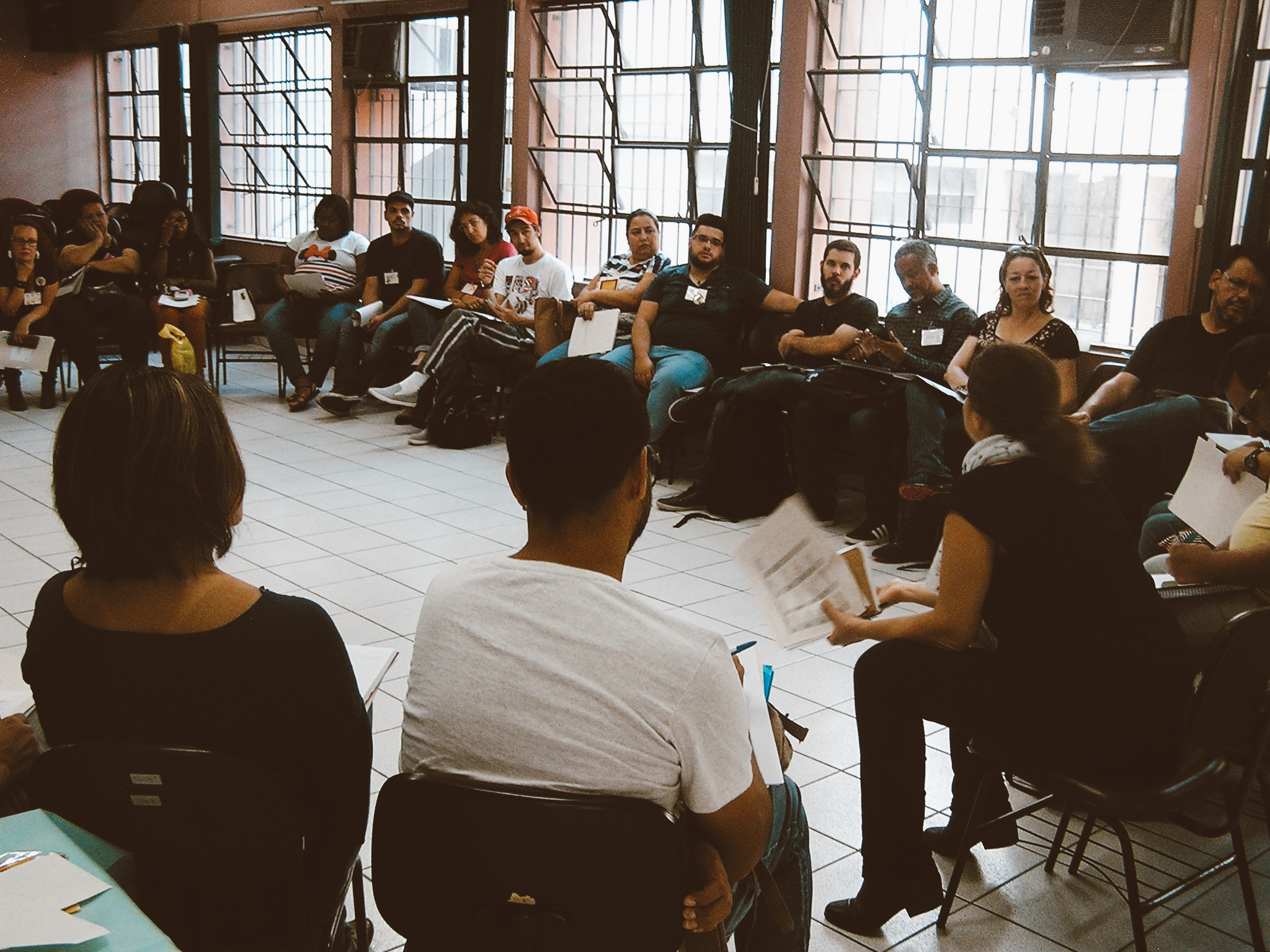
A similar principle guides our work in Brazil through the Citizenship and Democracy in School project. Developed by WEPP in partnership with a range of education stakeholders, it grew out of a consultation with educators, students, civil society, and government representatives, which revealed a clear need for more resources and support to address democratic citizenship, human rights, school coexistence, and violence prevention in schools. The project provides educators with training and practical tools that are relevant to their everyday work. Since its launch, more than 14,600 educators have completed the training, and their work has reached around 438,000 students across Brazil.
Although Bosnia and Herzegovina and Brazil have very different histories and educational contexts, our work in both countries points to the same fundamental lesson: when educators are supported, trusted, and equipped with practical tools, they are better positioned to create learning environments where young people can develop the knowledge, attitudes, and skills needed to participate in democratic life and respect the dignity of others.
On World Teachers' Day, AIPG reaffirms its commitment to standing with educators and to learning alongside them. Their experience, knowledge, and daily work are essential to building schools and societies where human rights are respected, differences can be addressed constructively, and the conditions for violence and exclusion are challenged before they escalate.